Entry ticket with audio guide
A dated entry ticket valid on the date you pick, with an audio-guide app on your phone in English. Free cancellation up to 24 hours before.
See dates ↗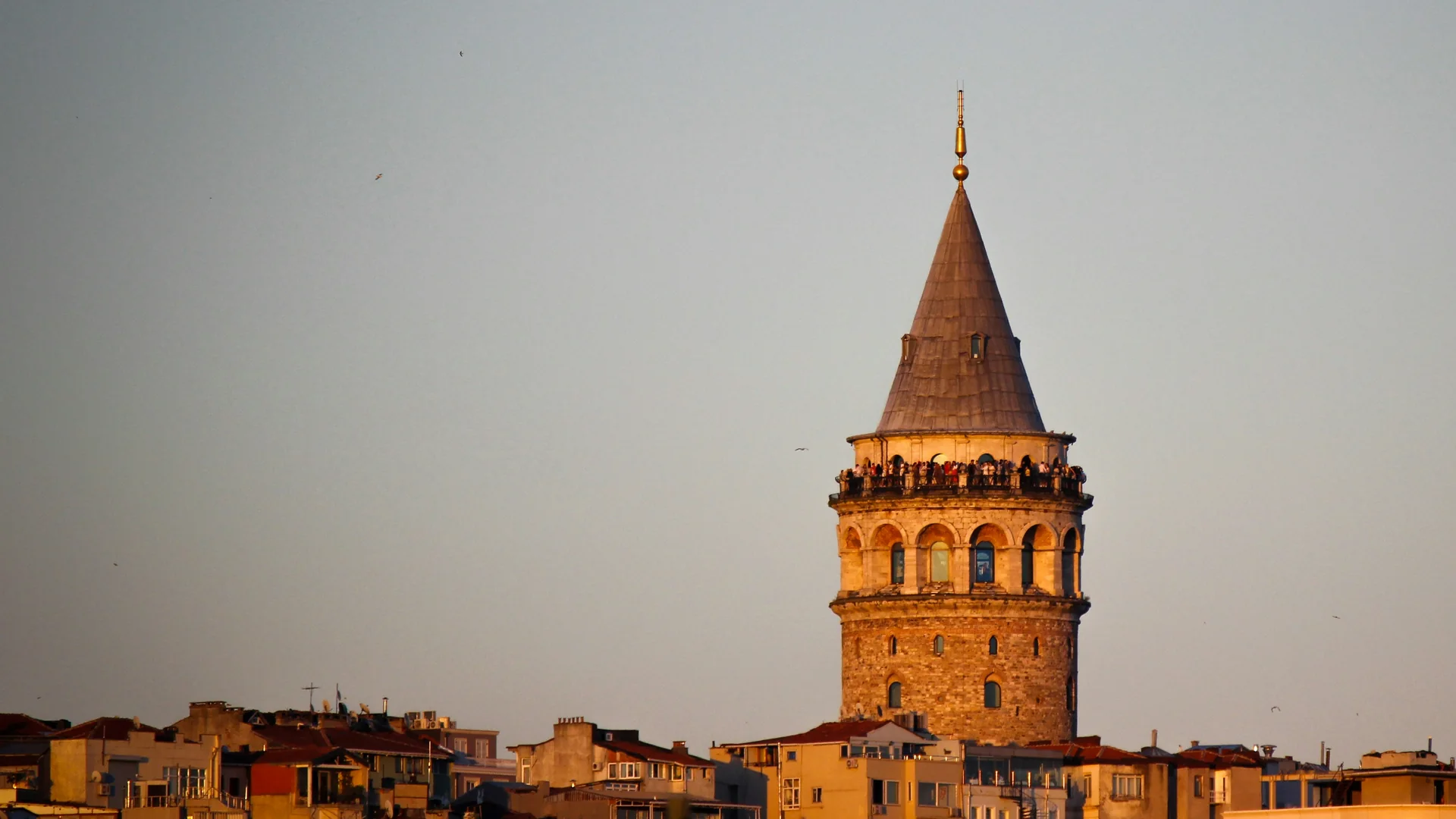
Galata · Beyoğlu · Istanbul
A Genoese watchtower of 1348, looking across the Golden Horn to the domes and minarets of the old city.
Raised at the highest point of the Genoese colony's walls, and still the high point of Galata.
Why this tower
Galata Tower is a medieval tower with a cone-shaped roof on the hill of Galata, in Beyoğlu. The Genoese built it in 1348 as a watchtower, and it has since been a prison, a fire lookout and a museum. From the water it reads as a single clear shape above the rooftops, which is why it appears in so many views of the city. This site is a guide to visiting it.
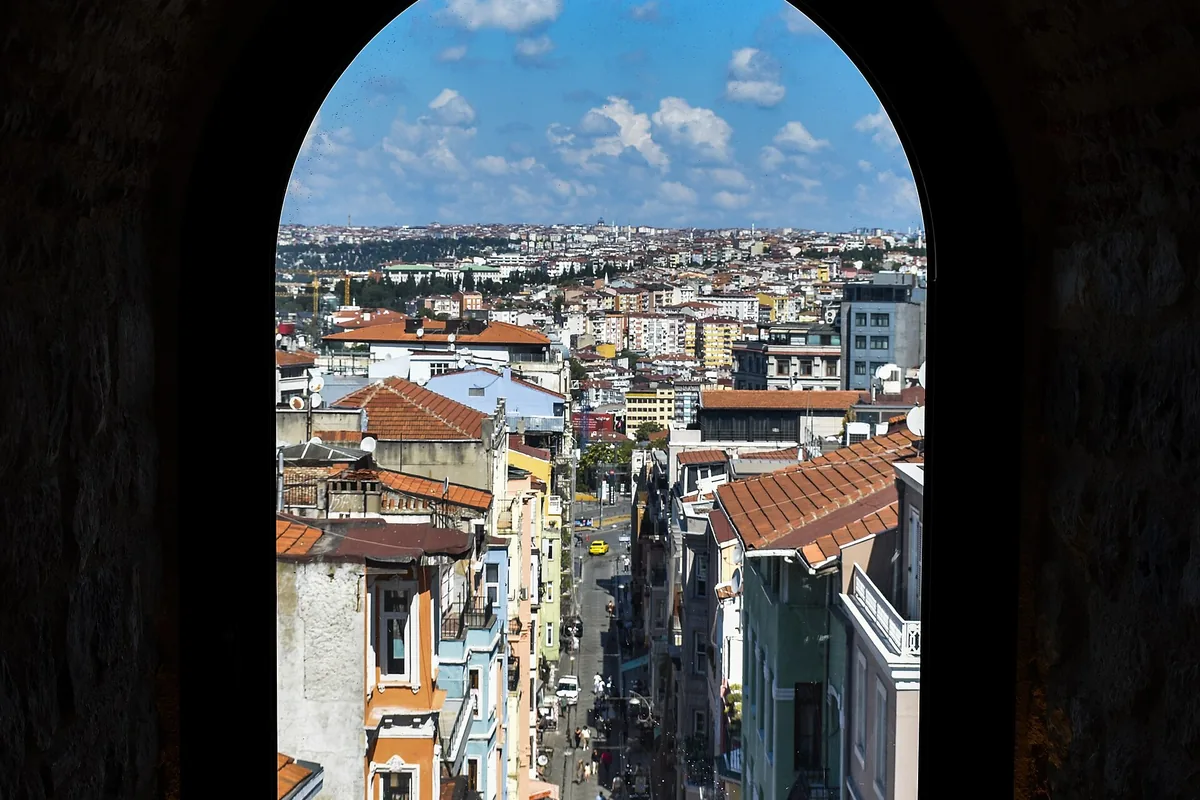
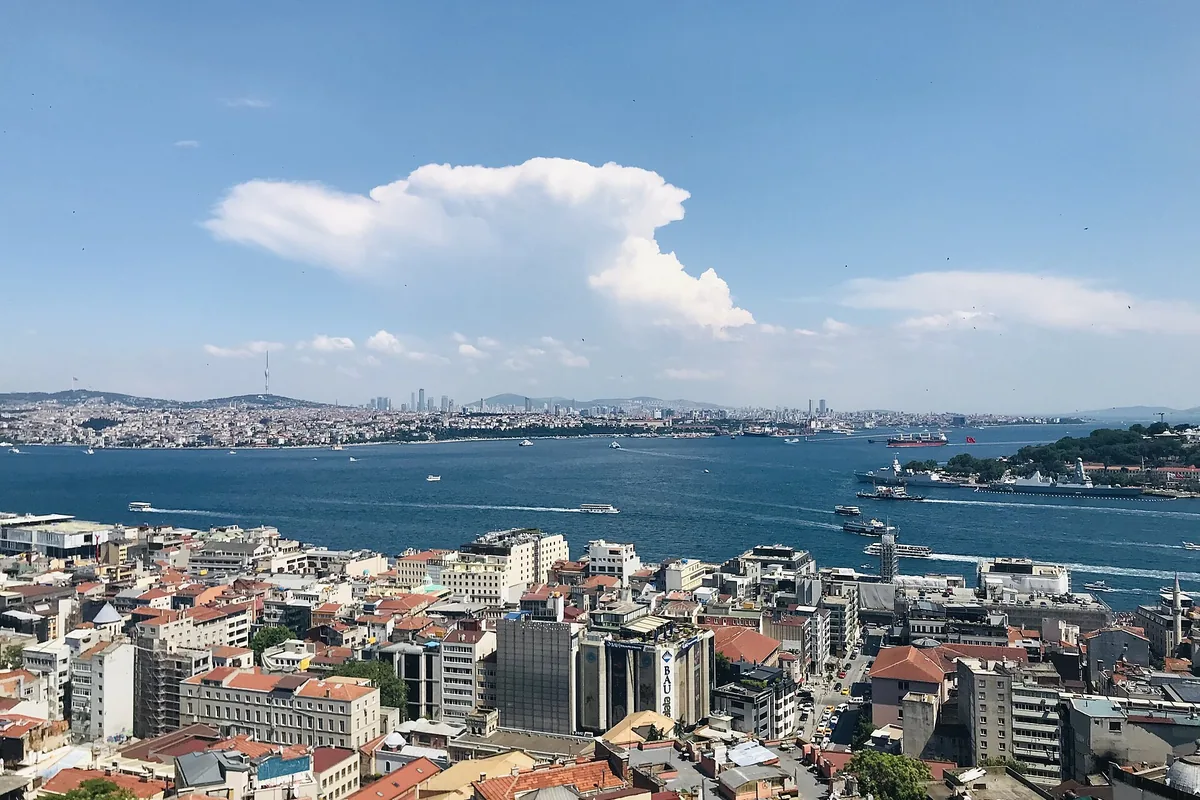
People climb the tower for the outlook. It looks across the Golden Horn to the domes and minarets of the old city, along the Bosphorus and down onto the lanes of Galata. A dated ticket with an audio-guide app on your phone is the simplest way in, and the guides on this site cover how to reach the tower, when to go and what you are looking at.
Everyone passes through a security check, and a queue can form at busy times. Entry pauses for a short staff shift change in the early evening. Arrive a little before your slot and the visit goes more smoothly.
There are three ways to see Galata. A plain entry ticket with an audio guide, a hosted-entry ticket where a host meets you at the tower, or a guided walk through Galata, İstiklal Avenue and Karaköy. The comparison below sets them side by side.
From the street to the balcony
The tower reads best from the bottom up. These are its levels in the order a visitor meets them, drawn from the tower's own website and reference sources.
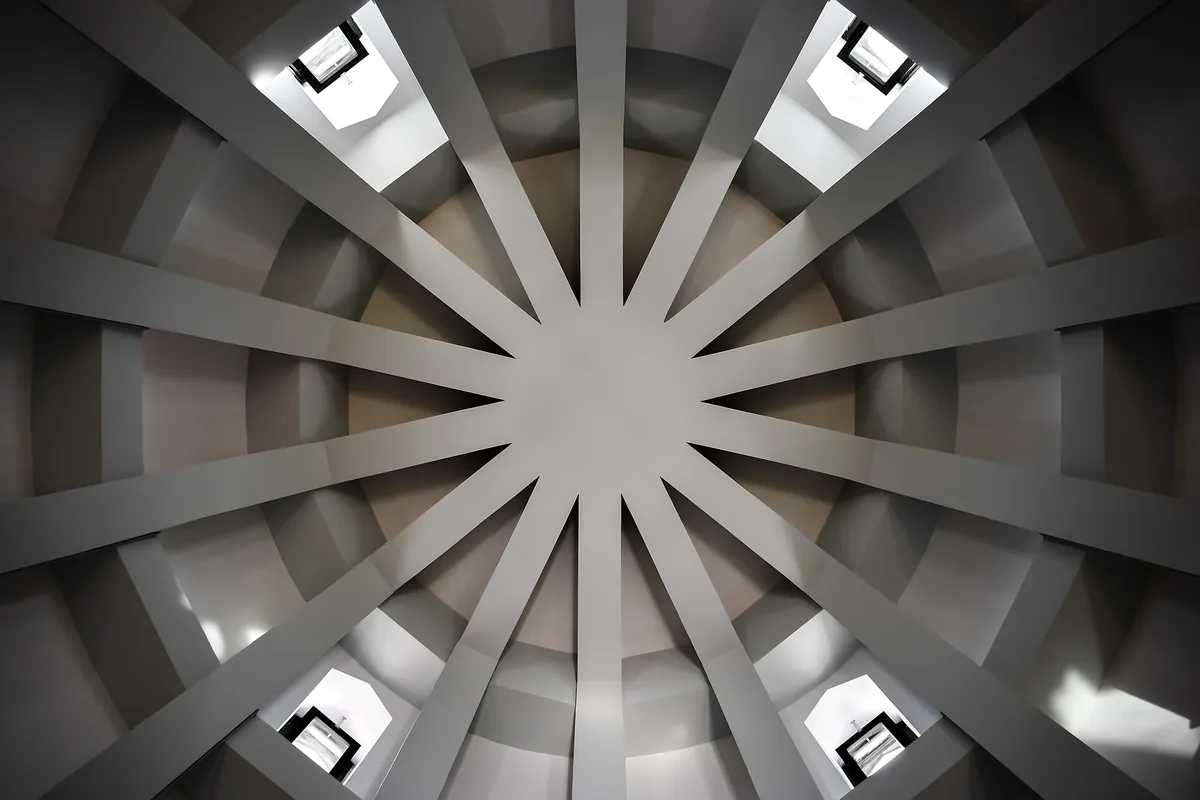
The arrangement at the top changes with the works at the tower. The GetYourGuide ticket description says that while the top floor is under renovation, visitors use the lower levels and the 7th-floor viewing windows. Check the booking page for the current arrangement.
Street
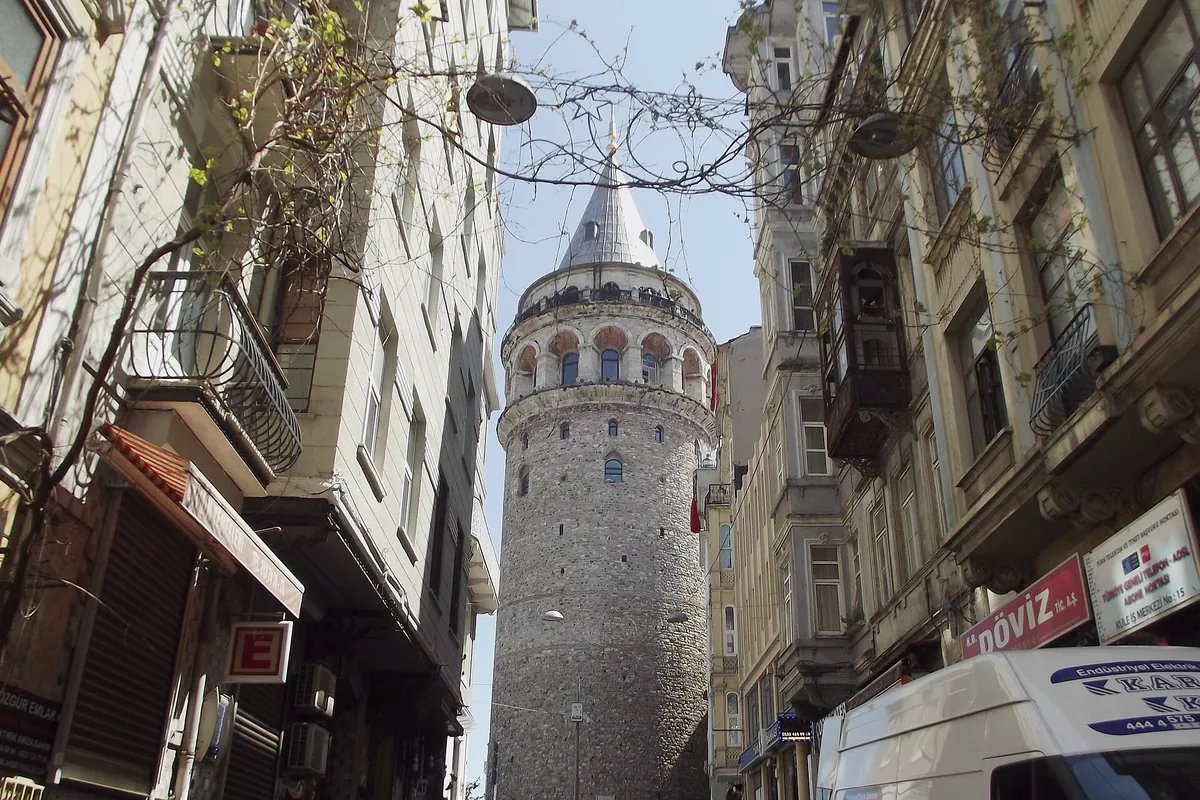
The tower stands on the highest ground of Galata, reached by narrow streets. The Genoese raised it at the highest point of their colony's walls, across the Golden Horn from the Byzantine city.
Base
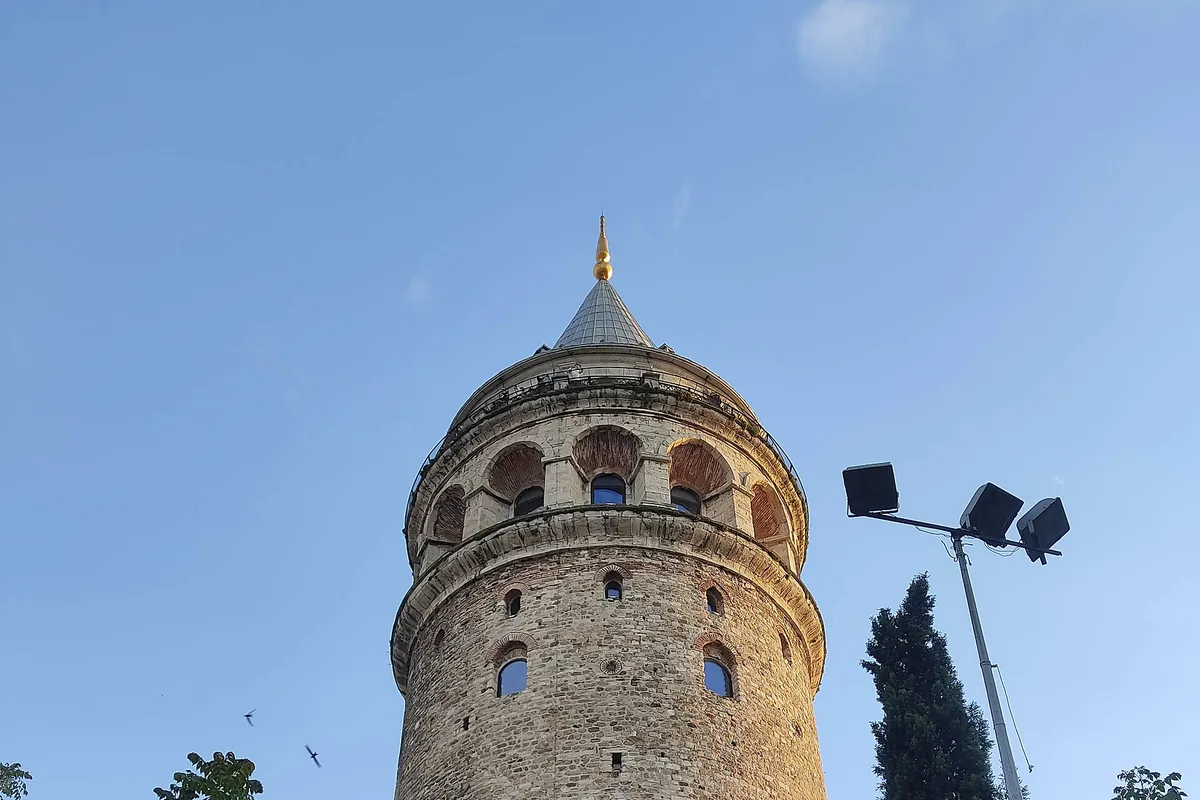
The drum is 16.45 metres across at the base and 8.95 metres across inside. The difference is wall.
1348
The Genoese built it in Romanesque style as a watchtower at the highest point of their walls, and named it the Tower of Christ. It was then the tallest building in the city.
Museum floors
After 1453 the Ottomans made it a prison. From 1717 it was a fire lookout. Today it is a museum and exhibition space as well as an observation tower.
The cone
The conical roof was rebuilt between 1965 and 1967, when the timber inside was replaced with concrete. The stone drum beneath it is medieval.
Balcony
From the top the Golden Horn, the Bosphorus and the old city's skyline open out. Which level you stand at depends on the works under way.
The tower in four facts
Four facts about the stone you are climbing, drawn from the tower's own website and reference sources.
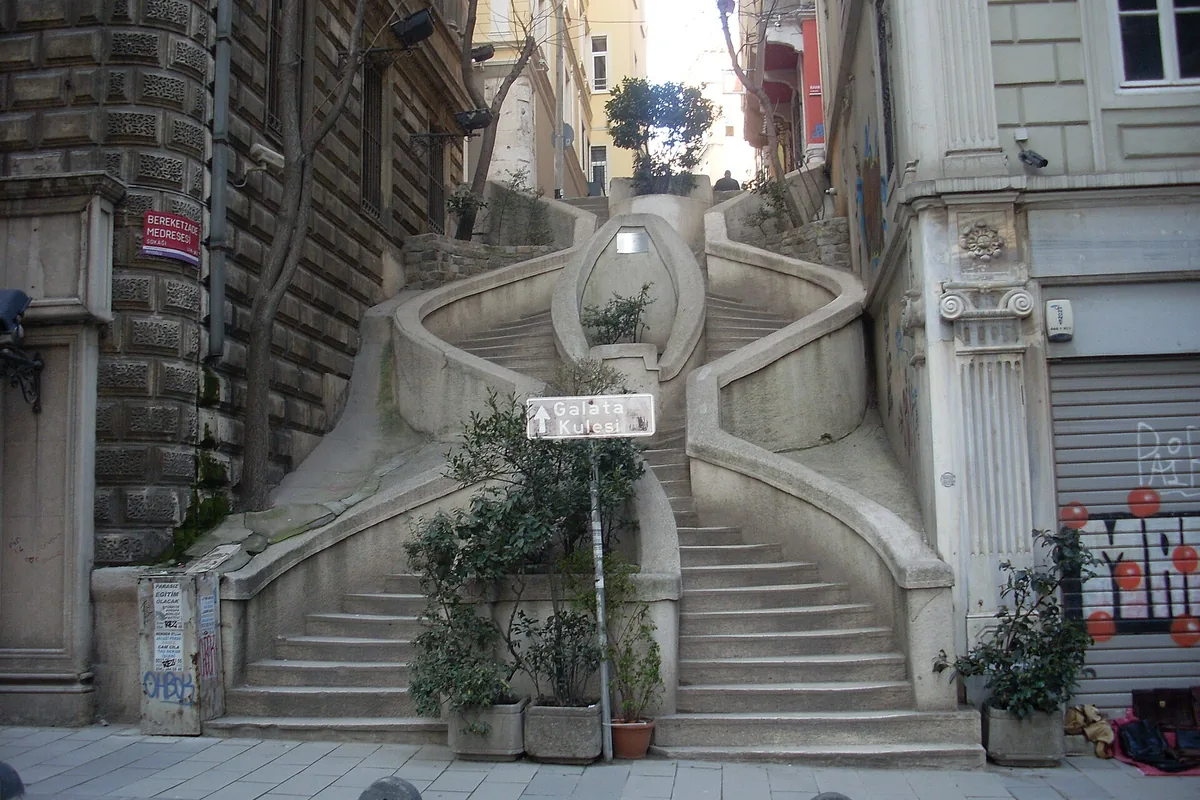
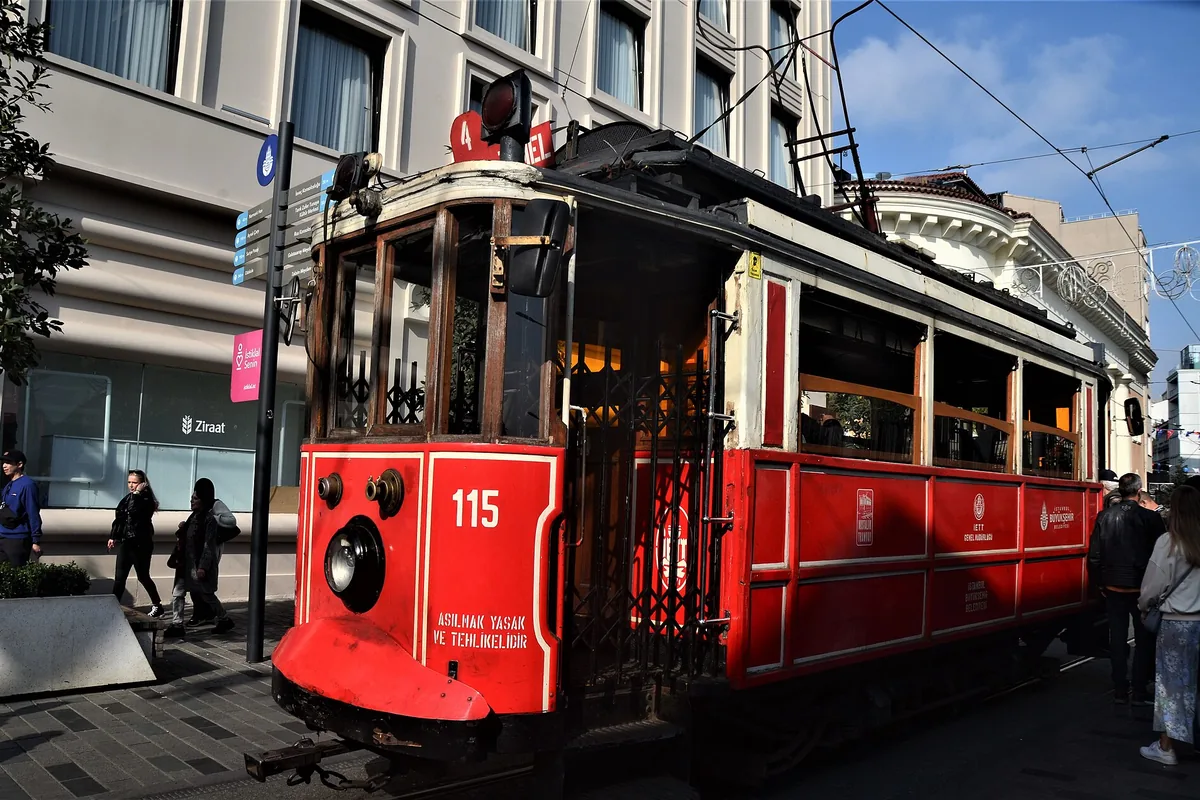
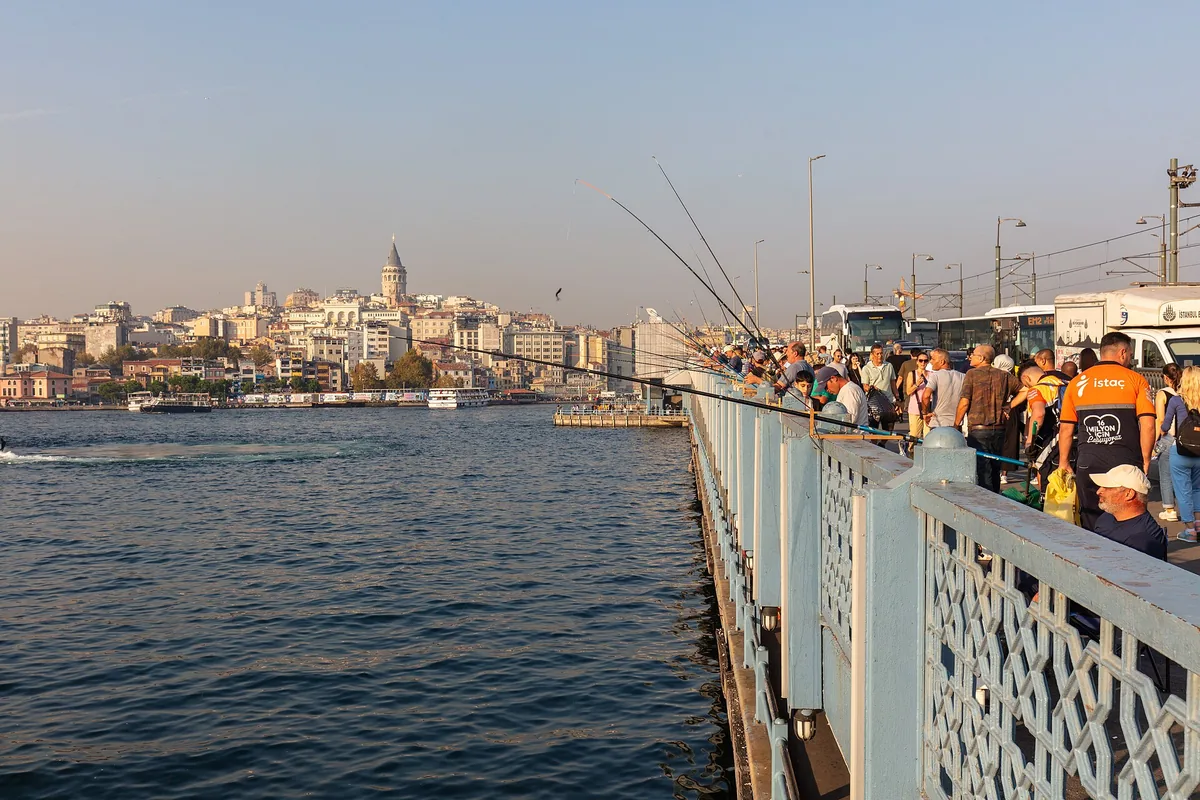
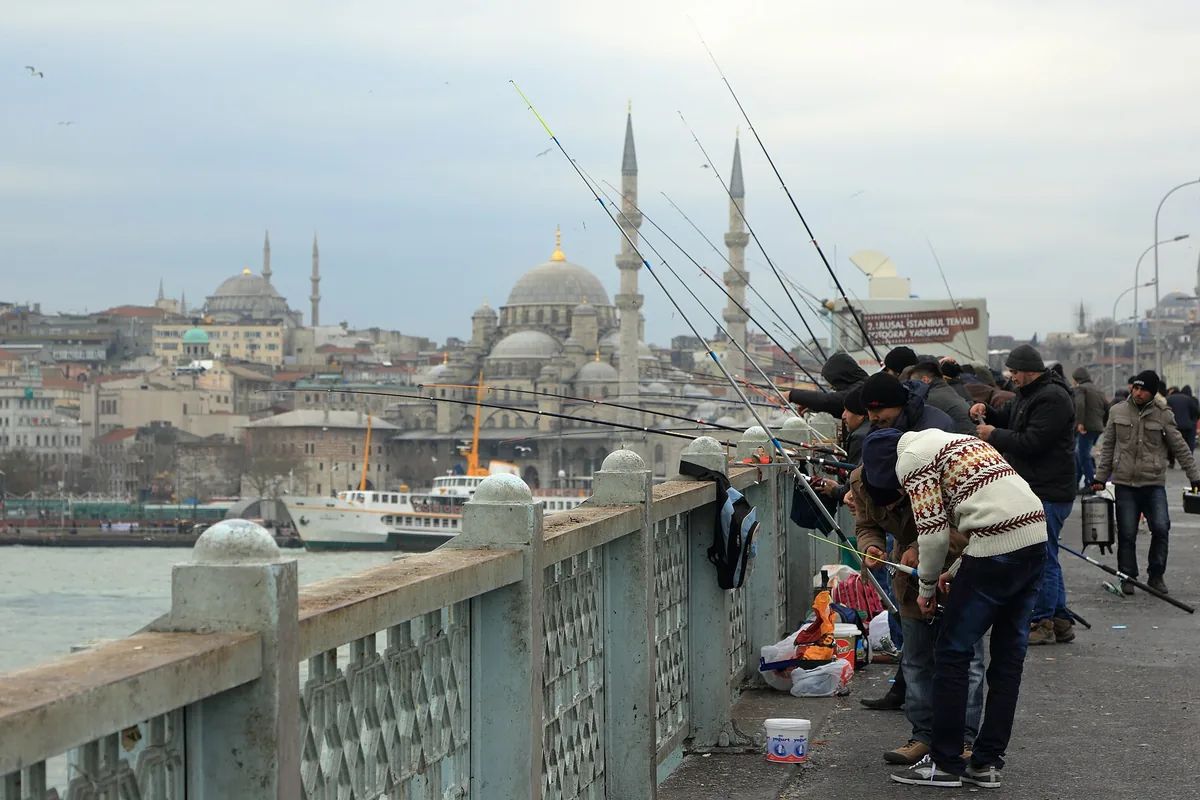
Galata in pictures
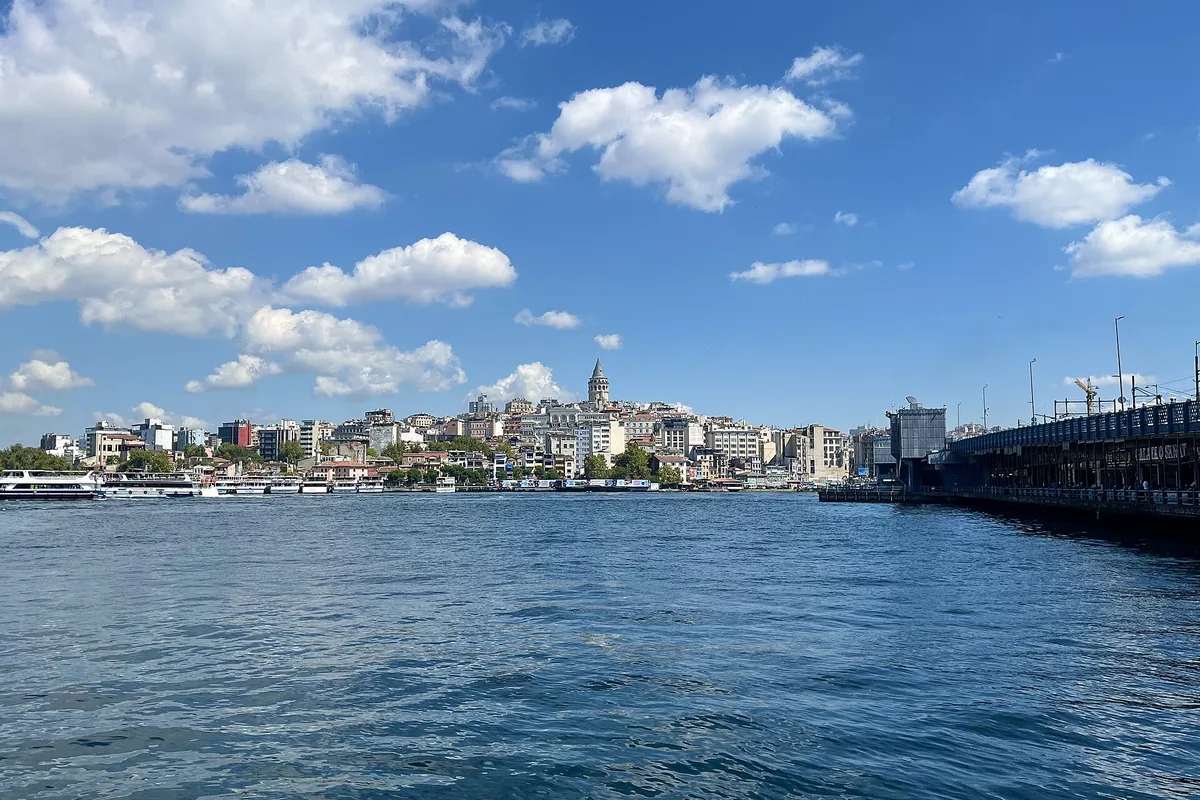
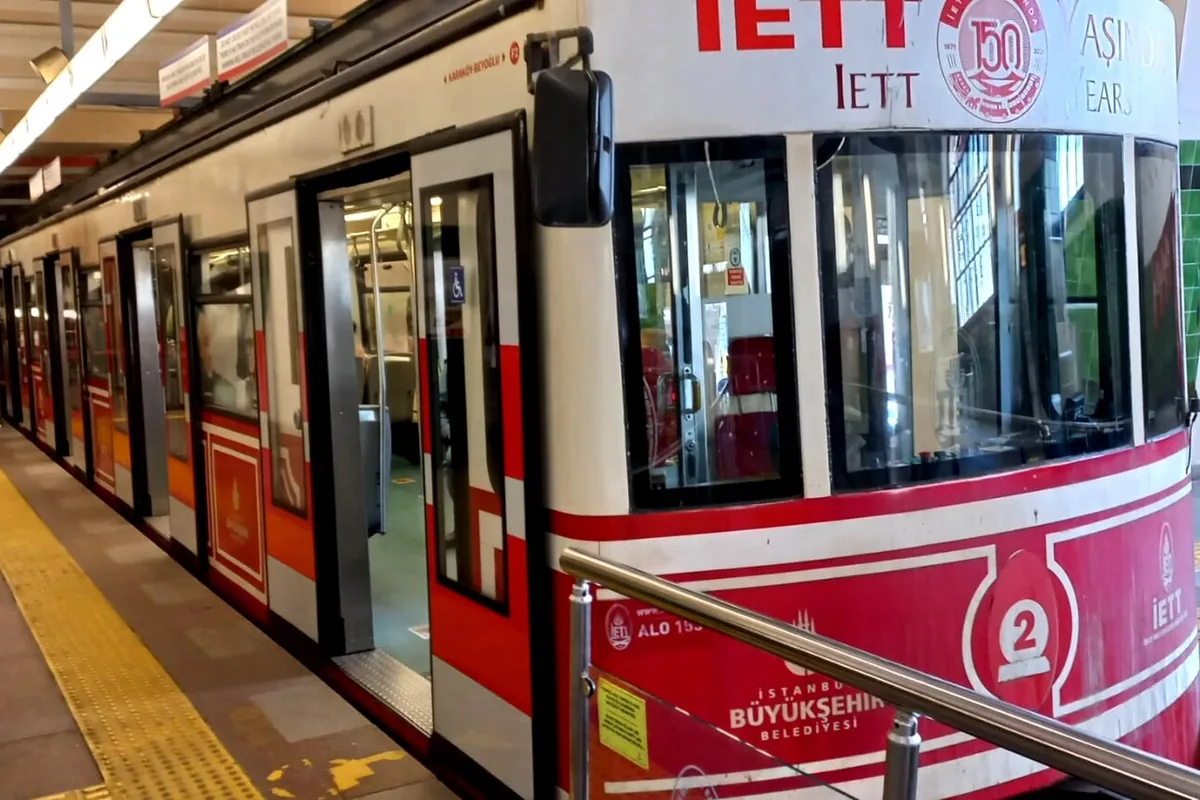
The funicular, the avenue, the stairs and the bridge that lead to the tower, and the view back across the water.
Three ways in
| Option | What it is | Best for |
|---|---|---|
| Entry ticket with audio guide | A dated entry ticket valid on the date you pick, with an audio-guide app on your phone in English. Free cancellation up to 24 hours before. | Visitors who want to go in on their own and set their own pace. |
| Hosted entry with audio guide | A host meets you by the Bereketzade Fountain and helps with entry, and you then explore alone for about 45 to 60 minutes. Audio guide in 25 languages. The ticket does not allow entry on its own. | Visitors who want help at the door and an audio guide in their own language. |
| Galata, İstiklal and Karaköy walk | A two-hour guided walk starting on the Karaköy waterfront, in English, French, German, Italian, Russian and one more language. Tower entry is an extra fee. | Visitors who want the neighbourhood and its history around the tower. |
Ways to see Galata
The first card is the entry ticket this guide is built around. The other two are separate products with their own terms, shown so you can compare. A wider set of Istanbul bookings follows below the cards.
A dated entry ticket valid on the date you pick, with an audio-guide app on your phone in English. Free cancellation up to 24 hours before.
See dates ↗A host meets you by the Bereketzade Fountain and helps with entry, and you then explore alone for about 45 to 60 minutes. Audio guide in 25 languages. The ticket does not allow entry on its own.
See dates ↗A two-hour guided walk starting on the Karaköy waterfront, in English, French, German, Italian, Russian and one more language. Tower entry is an extra fee.
See dates ↗More to book in Istanbul
Plan the visit
Galata Tower is in Beyoğlu, at the top of the Galata hill. The nearest metro station is Şişhane, and the Tünel funicular climbs from Karaköy to the top of İstiklal Avenue. The last stretch is always on foot.
An entry ticket is valid on the date you pick. The QR code arrives in a separate email, the day before or on the day. Entry pauses briefly in the early evening for a staff shift change.
The ticket page suggests allowing about 45 to 60 minutes inside, and extra for the security queue and the walk up the hill.
On the GetYourGuide ticket, children aged 0 to 6 enter free and need proof of age at the entrance.
The ticket is marked as not suitable for wheelchair users. The approach is up a hill with cobbles and steps.
Karaköy lies below the tower, İstiklal Avenue above it, and the Galata Bridge links Galata with the old city across the Golden Horn.
Guides to Galata Tower
Getting there Metro, tram, ferry or the Tünel funicular: the routes to the tower on the hill of Galata, and how to handle the last steep stretch on foot.
Read the guide → History and legend From the Genoese watchtower of 1348 to prison, fire lookout and museum, and what is and is not known about the man said to have flown from it.
Read the guide →FAQ
For the view, yes. It looks across the Golden Horn to the old city and along the Bosphorus. Travellers on the booking page praise the panorama, and many recommend dusk.
The ticket page suggests allowing about 45 to 60 minutes inside. Add time for the security queue and the walk up from Karaköy.
Everyone goes through a security check, and a queue can form at busy times. Show your QR code, which is sent by email the day before or on the day.
Wikipedia lists two lifts in the tower. The GetYourGuide ticket is marked as not suitable for wheelchair users, so check access before you book.
Yes. On the GetYourGuide ticket, children aged 0 to 6 enter free and need proof of age at the entrance.
The Genoese built it in 1348 and named it Christea Turris, the Tower of Christ. It later served as a prison and a fire lookout.
It is a legend. The 17th-century traveller Evliya Çelebi is the only source for the story of Hezârfen Ahmed Çelebi's flight to Üsküdar, and Wikipedia calls it a story of doubtful reliability.
No. This is an independent guide. The tower has its own website, and every booking button here opens GetYourGuide, which takes the payment.
Prices on this page are per person in US dollars. The booking page converts them to your own currency.